

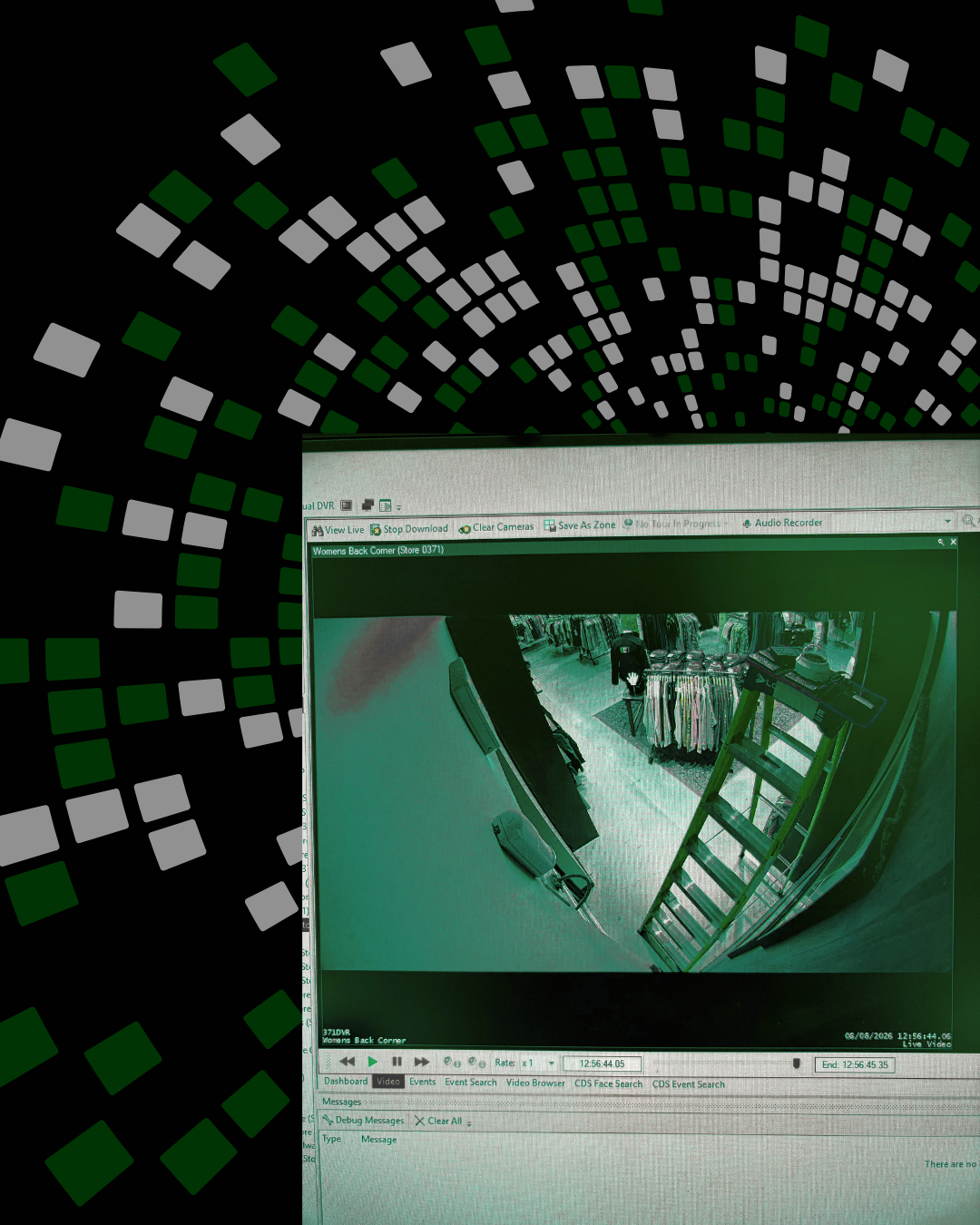
Industrial Security Camera Planning for Effective Coverage
Industrial security camera planning helps warehouses, logistics centers, and other industrial facilities improve visibility across fast-moving operations. Employees, forklifts, trucks, inventory, equipment, and vendors may all share the same space. When an incident, delay, or damaged shipment occurs, managers need reliable video coverage to understand what happened without piecing together incomplete information.
That is where better camera planning becomes valuable. A security camera system should do mo8re than record video. It should give IT, operations, facilities, and security teams useful visibility into the areas that matter most, from receiving docks and production zones to storage aisles, entrances, yards, and loading areas.
Effective coverage depends on more than selecting cameras and mounting them where space is available. It also requires reliable network infrastructure and well-planned structured cabling. Overlooking any one element can create blind spots, unstable video, difficult troubleshooting, or limited room for growth.
For industrial, warehouse, logistics, and multi-location companies, the clearest starting point is to treat security cameras, network infrastructure, and structured data cabling as three connected parts of one operational visibility plan.
Industrial Security Camera Planning Starts With Operational Questions
A useful camera plan begins with the problems the facility needs to solve. Instead of asking, “How many cameras do we need?” start with questions such as:
- Where do safety concerns, traffic conflicts, or blind spots occur?
- Which entrances, loading areas, production zones, and high-value storage spaces require clearer visibility?
- When a shipment discrepancy or workflow issue occurs, what details must the video show?
- Who needs live or recorded access, and from which locations?
- How long must footage be retained?
- Are additional production lines, racks, dock doors, or facilities expected in the next few years?
These questions connect placement to real priorities. A wide view may monitor a warehouse floor, while a focused view may be needed to identify a vehicle, verify a pallet transfer, or review activity at a receiving door. Lighting, mounting height, dust, vibration, weather, and changing layouts can also affect image quality.
Good planning accounts for those conditions before installation and creates a standard that stakeholders can review before equipment is purchased or cable is pulled.
How Security Camera Placement Improves Industrial Visibility
The first entry point is the camera system. Planning should cover both security and operational use cases, including perimeters, entrances, shipping and receiving, forklift routes, production areas, inventory zones, parking areas, and restricted spaces.
Each location may require a different field of view, level of detail, environmental rating, or low-light capability. A camera watching an entire dock may not capture the detail needed to review a shipment. Strong backlighting can obscure faces, while a device mounted too high may show movement but not useful investigative detail.
Planning also includes retention, storage, remote access, alerts, permissions, naming conventions, and health checks. IT teams should know when a camera goes offline, how footage is retrieved, and who can view or export it. Consistent labels and layouts also simplify multi-site support.
Video can support investigations, training, process review, and safer operations, but it does not replace safety procedures or supervision. Its value is reliable information at the right time.
Network Infrastructure Supports Reliable Industrial Camera Systems
IP cameras are network devices. They rely on switches, Power over Ethernet capacity, bandwidth, segmentation, storage connectivity, and secure remote access. Adding cameras without evaluating the existing network infrastructure can create problems that appear only after the system is active.
A switch may have open ports but insufficient PoE capacity for every planned device. A network link may perform well during normal use but struggle when high-resolution video streams are added. A flat network may also place cameras on the same segment as business-critical devices.
Before deployment, IT teams should review switch capacity, uplinks, VLAN design, firewall rules, recorder or cloud connectivity, remote access, and rack space. Storage planning should account for camera count, resolution, frame rate, recording schedule, and retention. The design should also leave a practical path for expansion.
For companies operating several facilities, a repeatable network standard reduces one-off configurations and makes camera systems easier to monitor, secure, and support.
Structured Cabling Supports Reliable Industrial Camera Systems
Even a well-designed system can underperform when cabling is damaged, unlabeled, or difficult to service. Structured data cabling connects cameras to the network and often supplies power through PoE, so it belongs in the project from the beginning.
Industrial environments introduce practical challenges. Cable routes may cross long distances, high ceilings, active production areas, exterior walls, or spaces exposed to dust, heat, moisture, and vibration. Some locations may require fiber between network closets or outdoor-rated pathways. Installers may also need lifts, escorts, maintenance windows, or coordination with other trades.
A complete plan should identify pathways, cable types, termination points, rack capacity, distance limits, labeling, testing requirements, and future drops. Every run should be tested and documented. Photos, results, and updated as-built records give IT a useful baseline for support.
Clean cabling shortens troubleshooting, helps technicians identify connections, and reduces the risk of disrupting nearby systems. It also simplifies future camera additions.
A Practical Industrial Security Camera Planning Process
Camera projects are easier to manage with a clear sequence:
- Define the operational goal. Identify the safety, security, visibility, or investigation needs the system should address.
- Walk the site with the right stakeholders. Include IT, operations, facilities, safety, and security so placement decisions reflect how the facility actually works.
- Map views and infrastructure together. Document proposed camera locations, fields of view, cable paths, network closets, switch connections, and storage requirements.
- Validate capacity before installation. Confirm bandwidth, PoE budgets, switch ports, uplinks, rack space, storage, power protection, and remote-access requirements.
- Coordinate around operations. Plan lifts, escorts, restricted areas, production schedules, shipping windows, and after-hours work before technicians arrive.
- Test and document the finished system. Verify image quality in real lighting conditions, review recorded footage, confirm remote access, test alerts, label devices, and update drawings and records.
This process helps prevent a common bottleneck: discovering in the field that a planned camera view is blocked, a cable route is unavailable, or the nearest switch cannot support another device. For more on reducing those delays, read Removing IT Bottlenecks with Quick IT Field Services.
Multi-location operations benefit from a repeatable standard
Multi-location companies need consistency. Without a standard, sites may use different camera names, retention settings, network segments, mounting approaches, and documentation. That variation increases the burden on internal IT and slows response.
A repeatable standard can define device types, naming, image requirements, typical views, network rules, retention targets, labeling, closeout documents, and escalation procedures. Site differences will remain, but the core approach stays familiar.
Granado Technologies can serve as a primary infrastructure vendor or as a responsive secondary partner that works alongside an internal IT department, existing managed service provider, security team, or general contractor. On-site IT field support can help with surveys, installation, testing, documentation, troubleshooting, and coordinated rollouts when internal teams need additional coverage.
Industry case study: a logistics center designed for safer, smarter operations
A published Axis Communications case study shows how integrated planning can improve visibility in a large logistics environment. A global logistics and distribution company needed to modernize security at a 300-by-200-meter distribution center in the United Kingdom. The existing setup relied on guards and analog cameras, but business growth and increasing volumes of high-value goods required a more capable system.
The project deployed 180 network cameras across the site. Cameras and analytics were used to distinguish people from vehicles, monitor the perimeter, cover loading and access points, and review activity at packing benches. The system also connected video with access control and IP audio. Managers could review footage from packing and loading areas to investigate a missing order and determine whether the cause was a security issue or an operational mistake.
Planning extended beyond camera selection. The design considered blind spots, fields of view, storage, PoE switching, and fiber-cabling distances before installation. The customer later considered applying the same approach at additional sites. Read the Axis Communications logistics case study.
The lesson is not that every warehouse needs 180 cameras. Camera coverage becomes more useful when operational goals, network capacity, cabling, safety, access, and expansion are planned together. The right system depends on the facility, risks, workflows, and information stakeholders need.
Start with the three systems that support visibility
For industrial companies with 100 to 500 employees, internal IT teams often manage many priorities across one or several sites. Camera projects become bottlenecks when placement, networking, cabling, vendors, and documentation are handled separately.
Starting with security cameras, network infrastructure, and structured data cabling makes the conversation clearer. It gives IT and operational stakeholders three practical areas to evaluate and creates a foundation for safer, more visible, and easier-to-support operations. During that work, other needs such as wireless coverage, access control, monitoring, or ongoing support may become visible. Those opportunities can be addressed where they make operational and financial sense.
Granado Technologies supports industrial, warehouse, logistics, and multi-location organizations with responsive onsite infrastructure services across Texas and nationwide.
Ready to improve visibility across your operation? Contact Granado Technologies to discuss your facility.
Continue reading
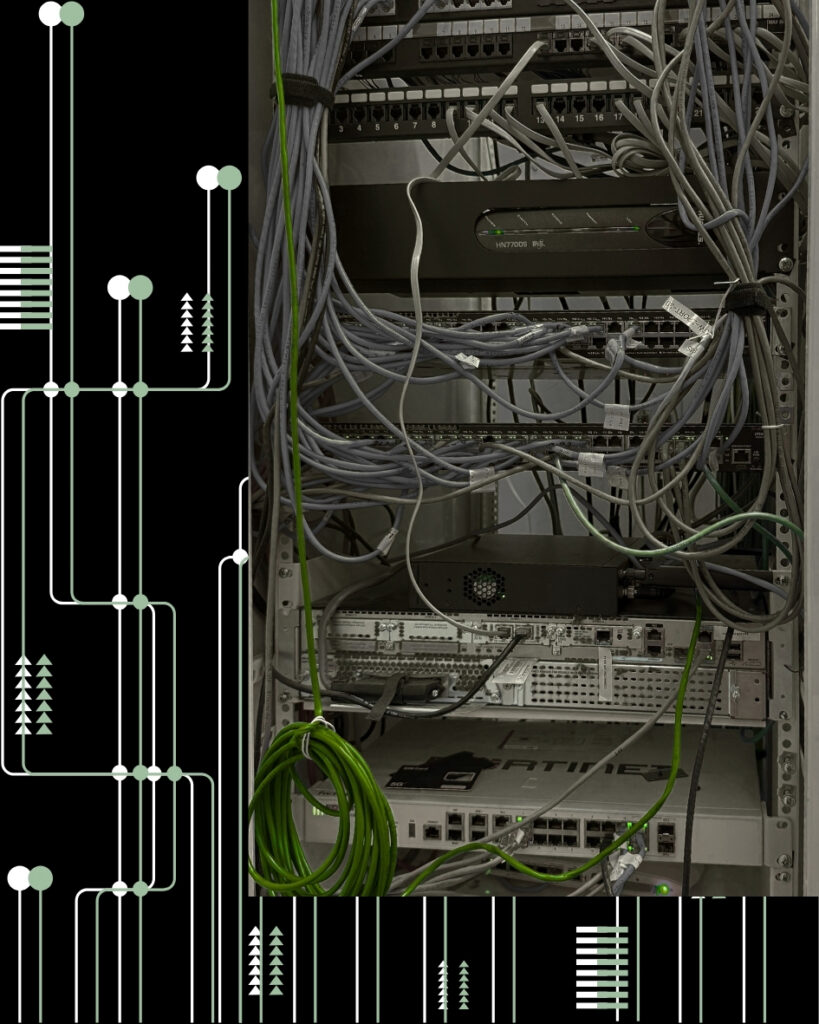 IT Infrastructure
 Warehouse Network Infrastructure: How to Keep Scanners, Cameras, and WMS Connected
Warehouse Network Infrastructure: How to Keep Scanners, Cameras, and WMS Connected Warehouse network infrastructure affects nearly every connected workflow. Scanners need reliable Wi-Fi between aisles. Security cameras need…
 Security Cameras
 Transportation Yard Security Cameras: Key Considerations
Transportation Yard Security Cameras: Key Considerations Transportation yard security cameras give logistics teams a clearer view of vehicles, trailers, containers, employees, drivers, and visitors moving through an active…
 Security Cameras
 Manufacturing Security Cameras: Avoiding Gaps in Coverage
Manufacturing Security Cameras: Avoiding Gaps in Coverage Manufacturing security cameras are most useful when they show the full path of an event, not just one moment in one…
Need expert IT, networking, or low-voltage support?
Our team designs, deploys, and supports IT, structured cabling, Wi-Fi, security cameras, and audio-visual systems for businesses across all 50 states — backed by 24/7/365 service and BICSI-certified installers.