


Wireless Coverage Problems: Causes and Solutions
Wireless coverage problems can significantly disrupt industrial operations, even when they begin as minor connectivity issues. Warehouses, manufacturing facilities, distribution centers, and multi-location businesses depend on reliable wireless networks to keep inventory moving, support communication, connect equipment, and maintain productivity throughout the day. Identifying wireless coverage problems early helps organizations avoid costly downtime and maintain efficient operations.
When wireless coverage begins to weaken, the first signs are often easy to overlook. A handheld scanner disconnects for a few seconds. A workstation loads more slowly than usual. A forklift-mounted tablet loses connection while moving between aisles. An employee reconnects to Wi-Fi and continues working.
These issues may seem small on their own, but they often point to larger network infrastructure problems. As more connected devices are added, weak wireless coverage can affect productivity, create delays, and make troubleshooting more difficult.
For industrial companies, wireless performance depends on more than access points. It also relies on strong network infrastructure, properly installed structured cabling, and the ability to support devices across the entire facility. Security cameras, wireless equipment, and connected systems all share the same infrastructure, making careful planning essential.
Granado Technologies provides responsive onsite IT infrastructure services for industrial, warehouse, logistics, and multi-location organizations. From structured data cabling and network infrastructure to security camera deployments, our team helps businesses build reliable technology environments that support daily operations and future growth.
For additional insight into reducing infrastructure-related delays, read our pillar article, Removing IT Bottlenecks with Quick IT Field Services.
Why Wireless Coverage Problems Often Go Unnoticed
Unlike a complete network outage, wireless coverage problems usually develop gradually.
Employees continue working because devices reconnect after a few seconds or because they have developed workarounds. A warehouse associate may walk closer to an access point before scanning inventory. Office staff may switch to another workstation when Wi-Fi slows down. Drivers may wait for tablets to reconnect before completing deliveries.
Because operations continue, these issues rarely receive immediate attention.
Over time, however, the small delays begin adding up.
Inventory updates take longer.
Order fulfillment slows.
Communication becomes inconsistent.
Support tickets increase.
Managers spend more time investigating recurring technology complaints instead of focusing on operations.
By the time multiple departments report similar problems, the wireless network may already be limiting productivity.
Common Signs of Wireless Coverage Problems
Wireless coverage problems do not always appear as obvious Wi-Fi failures.
Instead, businesses often notice operational symptoms first.
Common warning signs include:
- Barcode scanners frequently disconnect.
- Mobile workstations lose connectivity while moving through the facility.
- Wireless printers respond slowly.
- VoIP phones experience dropped calls.
- Tablets reconnect multiple times throughout the day.
- Inventory applications freeze during updates.
- Employees avoid certain areas because devices work poorly there.
- Security cameras occasionally appear offline.
- Video streams load slowly from remote cameras.
Individually, these issues may seem unrelated.
Together, they often indicate inconsistent wireless coverage or network infrastructure limitations.
Rather than replacing individual devices, organizations should evaluate whether the wireless network is providing reliable coverage throughout the building.
Wireless Coverage Depends on More Than Wi-Fi
The Wi-Fi Alliance notes that network performance depends on much more than internet speed, including proper wireless design, device density, infrastructure capacity, and deployment planning.
Many organizations assume wireless problems are caused by internet service.
In reality, the internet connection is only one part of the overall network.
Reliable wireless performance depends on several infrastructure components working together, including:
- Network switches
- Structured data cabling
- Access point placement
- PoE switch capacity
- Network segmentation
- Rack organization
- Backbone infrastructure
- Device density
- Building materials
- Network documentation
If one part of the infrastructure struggles, the wireless network may struggle as well.
For example, adding several new wireless access points without evaluating switch capacity can introduce new performance issues instead of solving existing ones.
Similarly, installing additional security cameras without reviewing available bandwidth can affect wireless performance across the facility.
This is why network infrastructure and structured cabling should always be evaluated before expanding connected systems.
How Warehouse Environments Create Wireless Challenges
Warehouses present unique challenges that can lead to wireless coverage problems if network infrastructure is not designed to support changing operational demands.
Unlike office environments, warehouses constantly change.
Inventory moves.
Storage racks are reconfigured.
Equipment changes locations.
Seasonal inventory increases device usage.
Metal shelving reflects wireless signals.
Concrete walls reduce signal strength.
Forklifts and machinery temporarily block coverage.
As facilities evolve, wireless designs that once worked well may no longer provide complete coverage.
Adding more access points without reviewing the entire environment rarely solves every problem.
Instead, organizations should evaluate how operational changes have affected wireless performance over time.
A warehouse expansion, new production line, or additional shipping area may require infrastructure updates that go well beyond installing another access point.
Why Structured Cabling Matters for Wireless Performance
Industry organizations such as BICSI recommend structured cabling best practices to help organizations build scalable, reliable network infrastructure that supports wireless access points, security cameras, and future technology expansion.
Many wireless coverage problems can be traced back to the physical infrastructure supporting the wireless network.
Every access point ultimately connects back to structured cabling and network equipment.
Poor cabling can introduce intermittent connectivity problems that appear to be wireless issues.
Older cable runs may not support higher network speeds.
Damaged cables may create inconsistent performance.
Poor labeling increases troubleshooting time.
Unorganized network closets make future upgrades more difficult.
When structured cabling is planned correctly, businesses gain a stronger foundation for:
- Wireless access points
- Security cameras
- Industrial IoT devices
- Mobile workstations
- Barcode scanners
- Voice systems
- Future expansion
Industry standards also play an important role in building reliable infrastructure. The Telecommunications Industry Association (TIA) publishes structured cabling standards that help organizations design network infrastructure capable of supporting wireless connectivity, security cameras, and future technology growth. Following recognized standards helps improve consistency, scalability, and long-term network performance.
Learn more about our Structured Cabling Services to see how organized infrastructure supports long-term operational reliability.
Don’t Overlook Security Cameras During Wireless Planning
Security cameras are another important part of the infrastructure conversation.
Modern camera systems depend on reliable network connectivity.
When wireless coverage or network performance begins to decline, camera systems may be one of the first technologies to expose the problem.
Common symptoms include:
- Cameras going offline
- Delayed video playback
- Recording interruptions
- Slow remote viewing
- Inconsistent live feeds
Many organizations assume these are camera issues.
Often, they are infrastructure issues.
Reviewing security cameras alongside wireless coverage helps organizations identify larger network problems before they affect additional systems.
For facilities expanding surveillance coverage, Granado Technologies provides onsite support for camera deployment, structured cabling, and network infrastructure planning so new installations integrate smoothly with existing environments.
Case Study: How Wireless Coverage Problems Slowed a Distribution Center
A helpful industry example comes from Cisco’s warehouse mobility guidance, which highlights how wireless connectivity directly affects barcode scanners, mobile computers, forklifts, voice picking systems, and other connected devices used throughout warehouse operations. As facilities expand and more wireless devices are added, gaps in coverage can lead to slower inventory updates, interrupted workflows, and reduced operational efficiency.
According to Cisco warehouse environments require careful wireless planning because metal racking, changing inventory levels, and moving equipment can significantly affect wireless signal propagation and device performance.
Imagine a regional distribution center that recently expanded one side of its warehouse. Additional storage racks were installed, new handheld scanners were deployed, and more wireless tablets were added to support inventory management.
Initially, everything appeared to work as expected.
Within a few weeks, however, employees began noticing recurring issues.
Forklift operators occasionally lost connection while moving inventory.
Barcode scanners required multiple attempts before updating inventory.
Wireless printers responded slowly during busy shipping periods.
Employees reported that certain aisles consistently had weaker connectivity than others.
At first, each issue seemed unrelated.
First, the IT team checked individual scanners.
Next, the printer vendor reviewed print settings.
Meanwhile, warehouse supervisors replaced batteries in several mobile devices.
Despite those efforts, the underlying problem remained.
Eventually, a wireless site assessment showed that the warehouse expansion had changed wireless coverage patterns.
Instead of replacing equipment unnecessarily, the organization adjusted access point placement, verified structured cabling to each wireless location, reviewed switch capacity, and updated network documentation.
The result was more consistent wireless coverage, fewer device disconnects, and smoother warehouse operations.
This example illustrates an important point. Wireless issues often begin as small operational inconveniences before becoming larger productivity problems.
How Granado Technologies Identifies Wireless Coverage Problems
Every facility experiences wireless coverage problems differently because layouts, equipment, and connected devices vary from site to site.
That is why wireless coverage should never be evaluated using assumptions alone.
Granado Technologies begins by understanding how employees actually use connected devices throughout the facility.
An onsite review may include:
- Reviewing wireless access point locations.
- Checking structured cabling connected to wireless equipment.
- Evaluating network switch capacity.
- Reviewing rack organization and cable management.
- Identifying areas with recurring connectivity complaints.
- Confirming adequate wireless coverage for operational workflows.
- Reviewing connected security cameras.
- Looking for documentation gaps that slow future support.
Rather than focusing on one disconnected issue, the goal is to understand how the infrastructure supports daily operations as a complete system.
This approach often helps identify opportunities to improve performance before recurring problems become costly.
For additional guidance on infrastructure planning, read How to Plan a Successful Warehouse Network Deployment.
Multi-Location Operations Need Consistency
Wireless coverage problems become even more challenging when organizations manage multiple facilities.
Each warehouse may have different equipment.
Different vendors, inconsistent documentation, varying access point layouts, different switch models, and inconsistent cabling standards can all make supporting multiple locations more challenging.
Those differences increase support complexity.
When one location experiences recurring wireless issues, solving the same problem at another location becomes much harder if infrastructure standards are inconsistent.
Standardizing network infrastructure across multiple locations creates several long-term advantages.
Teams can troubleshoot more efficiently.
Future upgrades become easier.
Documentation remains consistent.
Equipment replacements require less planning.
Field technicians spend less time identifying existing infrastructure.
Organizations planning long-term growth often benefit from establishing repeatable standards for structured cabling, network equipment, wireless infrastructure, and security camera deployments.
You can learn more by reading Standardize IT Infrastructure Across Multiple Locations.
Why a Responsive Field Services Partner Matters
Most wireless coverage problems rarely affect only one technology.
A scanner issue may actually involve wireless coverage.
A camera problem may point to network capacity.
Poor VoIP quality may relate to switch configuration.
An access point upgrade may require additional structured cabling.
Because these systems work together, organizations benefit from having a responsive onsite partner who can evaluate the entire environment instead of focusing on isolated devices.
Granado Technologies works alongside internal IT teams, infrastructure managers, equipment vendors, and operations leaders by providing responsive onsite IT infrastructure services.
Our team supports:
- Network infrastructure deployments
- Structured data cabling
- Wireless infrastructure
- Security camera installations
- Equipment moves
- Site surveys
- Infrastructure documentation
- Field services for multi-location rollouts
Whether your organization needs a secondary field services partner or ongoing onsite infrastructure support, our goal is to help projects move forward without creating unnecessary operational bottlenecks.
Learn more about our IT Infrastructure Services or Contact Granado Technologies to discuss your next project.
Final Thoughts
Wireless coverage problems rarely begin with complete outages.
More often, they start with small delays that seem easy to ignore.
A disconnected scanner.
A slow tablet.
A dropped VoIP call.
An offline camera.
Over time, those small interruptions affect productivity, increase support requests, and slow operations across the facility.
Preventing wireless coverage problems starts with evaluating the infrastructure behind the wireless network before expanding connected devices.
A strong foundation of network infrastructure, organized structured cabling, and properly planned security camera deployments contributes to a more reliable technology environment.
Across industrial, warehouse, logistics, and multi-location organizations, investing in the right infrastructure today helps support smoother operations tomorrow.
If your facility is experiencing recurring wireless issues or planning to expand connected devices, contact Granado Technologies.
Continue reading
 IT Infrastructure
 Warehouse Wi-Fi: Planning Around Racks, Aisles, and Mobile Devices
Warehouse Wi-Fi: Planning Around Racks, Aisles, and Mobile Devices Warehouse wifi planning connects wireless design to work on the floor. Scanners must remain connected from receiving through shipping.…
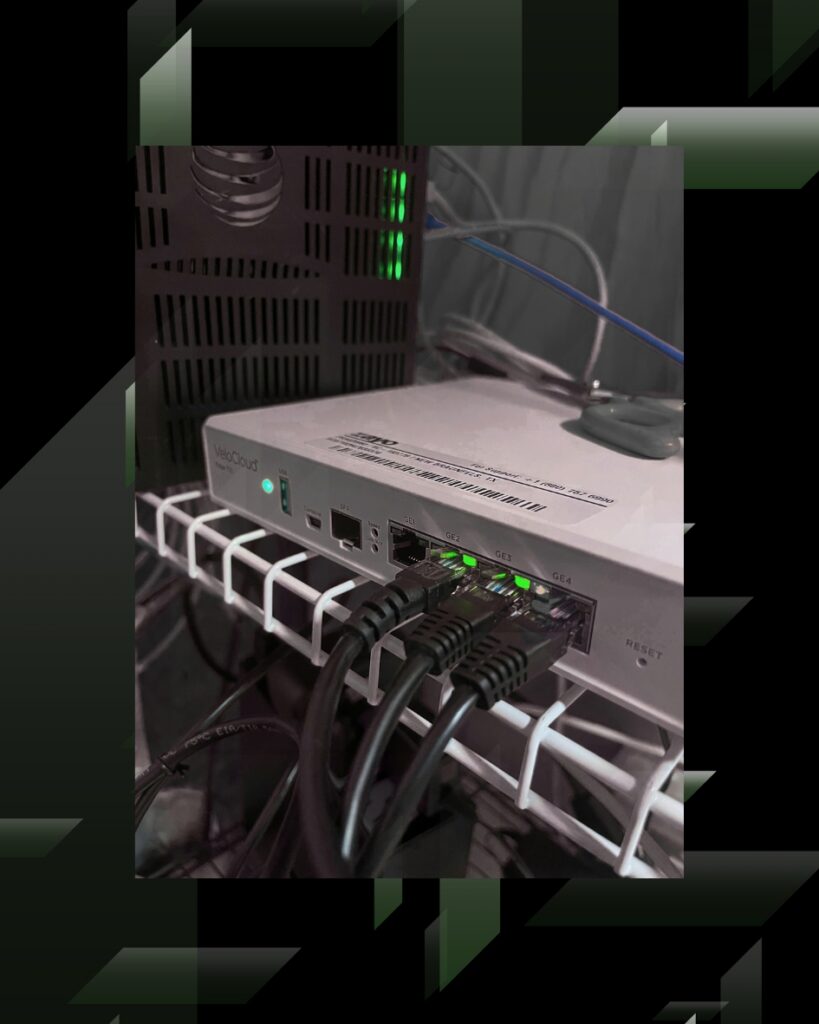 IT Infrastructure
 How to Standardize Network Upgrades Across Multiple Locations
How to Standardize Network Upgrades Across Multiple Locations Multi-site network upgrade planning helps retail and distributed organizations replace one-off dispatches with a repeatable process. When locations use different…
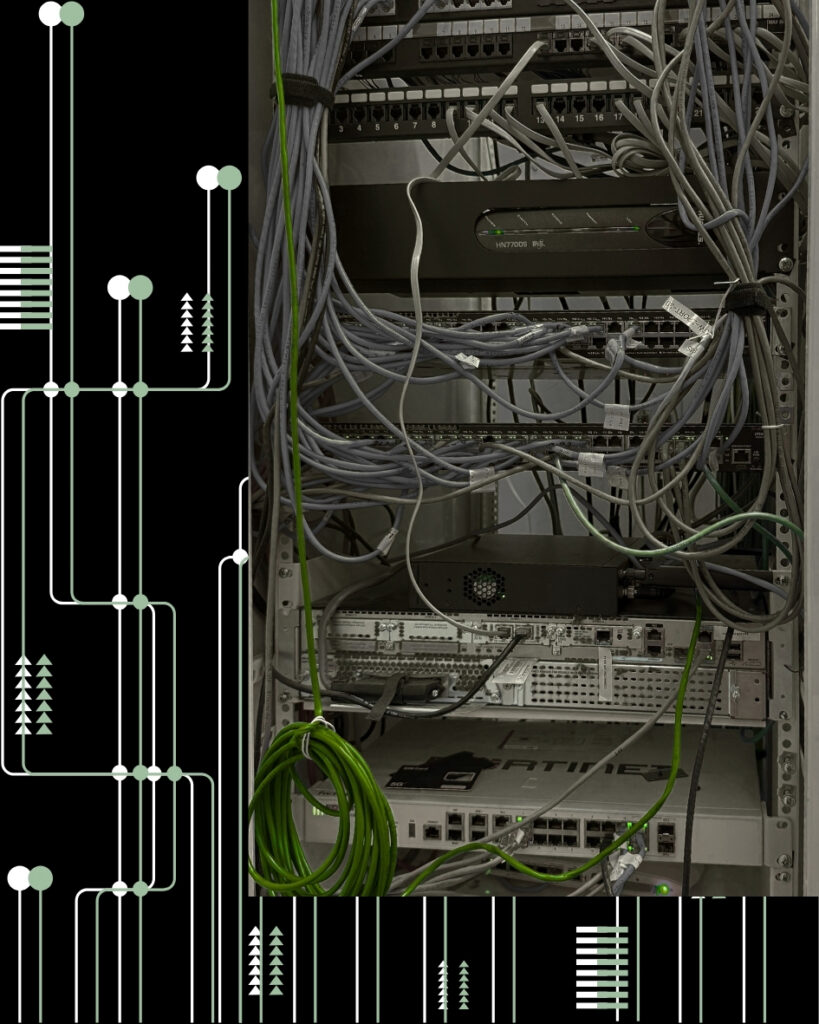 IT Infrastructure
 Warehouse Network Infrastructure: How to Keep Scanners, Cameras, and WMS Connected
Warehouse Network Infrastructure: How to Keep Scanners, Cameras, and WMS Connected Warehouse network infrastructure affects nearly every connected workflow. Scanners need reliable Wi-Fi between aisles. Security cameras need…
Need expert IT, networking, or low-voltage support?
Our team designs, deploys, and supports IT, structured cabling, Wi-Fi, security cameras, and audio-visual systems for businesses across all 50 states — backed by 24/7/365 service and BICSI-certified installers.